Bee Pollen Benefits for Overall Health
Bee pollen is nature’s nutrient-dense boost—rich in B vitamins, minerals, protein, and antioxidants. Many use it for steady energy, everyday immunity, radiant skin, and a happier gut. Inside: the key benefits, smart ways to take it, how to choose quality, and safety basics.
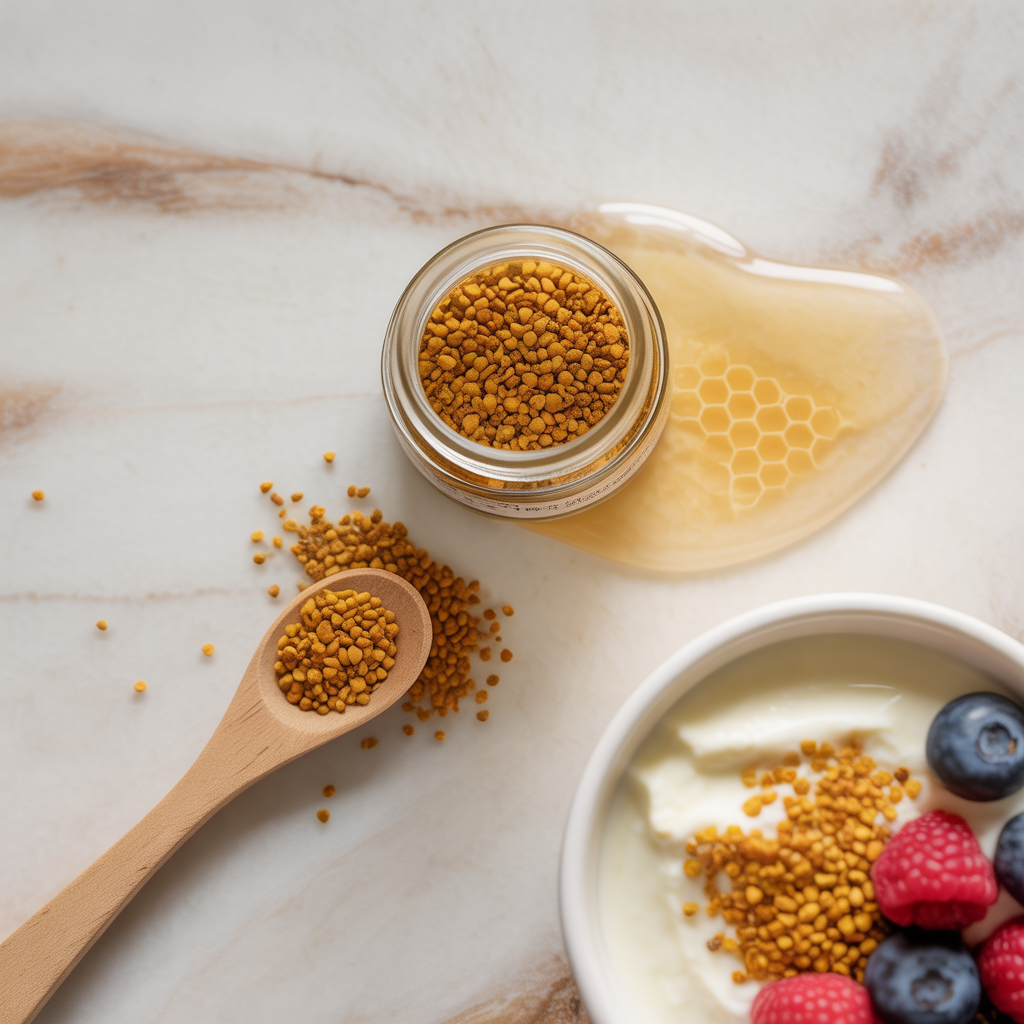
Are you looking for a natural way to boost your overall health and wellbeing? You might be surprised to learn that a substance collected by bees could be the key to unlocking a healthier you.
This nutrient-rich superfood has been used for centuries to support various aspects of health. It's packed with vitamins, minerals, and antioxidants. These help boost energy and support your immune system.

Bee pollen has been getting a lot of buzz in the natural health world, and for good reason. The bee pollen benefits go far beyond basic nutrition. Let's dive in and discover how it can support your overall health.
What Is Bee Pollen? Nature's Nutrient Powerhouse
Have you heard of bee pollen? It's a natural substance bees collect from plants. It's packed with nutrients and is known for boosting health.
The Formation of Bee Pollen
Bee pollen is made when bees gather pollen from flowers and plants. They mix it with nectar and enzymes, creating a nutrient-rich substance. This is then taken back to their hive.
Nutritional Composition of Bee Pollen
Bee pollen is known for its rich nutritional profile. It includes vitamins, minerals, proteins, and more. Knowing what's in it helps us see its value as a supplement.
Vitamins and Minerals
Bee pollen is full of vitamins like C, E, and B vitamins. It also has minerals like potassium, calcium, and iron.
Protein Content
The protein in bee pollen varies but is generally high. It's great for those wanting to increase their protein intake.
Other Beneficial Compounds
Bee pollen also has antioxidants and flavonoids. These compounds can offer health benefits.
Adding bee pollen to your diet can provide its nutritional benefits. It's a popular supplement for good reason.
The Complete Guide to Bee Pollen Benefits
Bee pollen is a natural supplement that offers many health benefits. It boosts energy and improves immune function. It's packed with vitamins, minerals, and antioxidants that support overall health.
Energy and Nutritional Support
Bee pollen gives a natural energy boost. It's full of proteins, vitamins, and minerals. Many use it to fight fatigue and boost physical performance.
Antioxidant Properties
Bee pollen is rich in antioxidants. These protect the body from oxidative stress and damage. Eating bee pollen helps keep your cells safe and supports health.

Gentle Immune System Support
Bee pollen supports the immune system gently. It has bioactive compounds that help the immune system without harsh side effects. It's great for naturally boosting immunity.
Skin and Gut Health Benefits
Bee pollen also benefits skin and gut health. Its antioxidants and nutrients promote healthy skin and reduce wrinkles. It also has prebiotics that help balance the gut microbiome.
| Benefit | Description |
|---|---|
| Energy and Nutritional Support | Rich in proteins, vitamins, and minerals to enhance vitality and support nutritional needs. |
| Antioxidant Properties | High in antioxidants to protect against oxidative stress and cell damage. |
| Immune System Support | Contains bioactive compounds to modulate and support immune function gently. |
| Skin and Gut Health | Promotes healthy skin and supports gut health through antioxidants and prebiotics. |
How to Use Bee Pollen Effectively
To get the most out of bee pollen, knowing how to use it daily is key. It's a versatile supplement available in different forms. Each form has its own benefits.
Common Forms of Bee Pollen Supplements
Bee pollen supplements come in various forms to meet different needs. The most common types are:
Granules
Powder
Capsules
Granules are the raw form and can be sprinkled on food or taken straight. Powder is great for mixing into smoothies or other dishes. Capsules are easy to take on the go.
Recommended Dosage Guidelines
The right amount of bee pollen varies based on your health goals. Most adults need one to two teaspoons a day.
Best Practices for Consumption
Start with a small dose of bee pollen and increase as needed. Mixing it with water or another liquid can improve absorption.

Proper Storage Methods
Keeping bee pollen fresh and potent is important. Store it in a cool, dry place, away from sunlight. Refrigeration can also extend its shelf life.
Choosing a Quality Bee Pollen Health Supplement
To get the most from bee pollen, picking a good supplement is key. Look for one that meets quality standards. The quality depends on where it comes from, how it's tested, its color, and how it's processed.
Source and Origin Considerations
The place where bee pollen comes from matters a lot. It affects the pollen's nutrients and purity. Choose supplements from areas known for clean air and diverse plants. This means better nutrients and fewer contaminants.
Testing and Quality Assurance
Quality checks are important. Go for supplements that have been tested well for purity, strength, and contaminants. Look for certifications from trusted third-party groups to be sure of the product's quality.
Color Variation and What It Means
Bee pollen can be yellow to dark brown. The color shows what plants it comes from and its nutrients. A mix of colors means more nutrients for you.
Processing Methods to Look For
How bee pollen is processed matters a lot. Choose supplements that are freeze-dried or dried gently. This keeps the nutrients safe. Stay away from products that were processed too harshly or at high temperatures.
Safety Considerations and Bee Pollen Allergy Concerns
Exploring bee pollen's benefits means knowing about safety and allergies. Most people find it safe, but some should be careful or avoid it.
Who Should Avoid Bee Pollen
Some groups should not eat bee pollen because of allergy risks or health issues.
Bee and Pollen Allergies
If you're allergic to bee stings or pollen, stay away from bee pollen. The risk of an allergic reaction is higher.
Peru Balsam Sensitivity
Some people are sensitive to Peru balsam in bee pollen products. If you're sensitive, pick products without Peru balsam.
| Group | Reason to Avoid Bee Pollen |
|---|---|
| Individuals with bee or pollen allergies | Risk of allergic reaction |
| People sensitive to Peru balsam | Potential for adverse reaction |
Recognizing Allergic Reactions
Knowing the signs of an allergic reaction to bee pollen is key. Symptoms can be mild or severe, like hives, itching, swelling, stomach cramps, diarrhea, and in serious cases, anaphylaxis.

Special Precautions for Specific Groups
Pregnancy and Nursing
Pregnant or nursing women should talk to their doctor before trying bee pollen. There's not much research on its effects during these times.
Medication Interactions
If you're on medications, like blood thinners or diabetes meds, talk to your doctor first. Bee pollen might interact with these or worsen health conditions.
Knowing about safety and allergy concerns helps you decide if bee pollen is good for you.
3 Delicious Ways to Incorporate Bee Pollen as a Superfood
Bee pollen is a versatile superfood that can be enjoyed in various dishes. It's easy to add it to your daily meals for its nutritional benefits. Here are three delicious ways to include bee pollen in your diet.
Yogurt Berry Bee Pollen Bowl
Start your day with a yogurt berry bee pollen bowl. Mix together your favorite yogurt, fresh or frozen berries, and a sprinkle of bee pollen. This bowl is not only delicious but also packed with protein, fiber, and vitamins.
Nutrient-Packed Bee Pollen Smoothie
Create a nutrient-packed smoothie by blending your favorite fruits, a handful of spinach, a spoonful of bee pollen, and a dairy or non-dairy milk. This smoothie is a great way to boost your energy and support your immune system.
Honey-Pollen Oatmeal Topper
Enhance your oatmeal with a drizzle of honey and a sprinkle of bee pollen. This sweet and nutritious topping adds a layer of flavor and nutrition to your breakfast, providing a sustained energy release throughout the morning.
| Dish | Nutritional Benefits | Preparation Time |
|---|---|---|
| Yogurt Berry Bee Pollen Bowl | High in protein, fiber, and vitamins | 5 minutes |
| Nutrient-Packed Bee Pollen Smoothie | Boosts energy, supports immune system | 10 minutes |
| Honey-Pollen Oatmeal Topper | Sustained energy, rich in antioxidants | 2 minutes |
Making Bee Pollen Part of Your Wellness Routine
Bee pollen is packed with benefits for your health and wellness. It boosts energy and supports nutrition. It also helps with skin and gut health.
By adding bee pollen to your daily routine, you can see big changes. Knowing how to use it and how much is key. This way, you can use bee pollen to improve your health.
Try adding bee pollen to your favorite dishes or take it as a supplement. Its nutritional value and health benefits make it a great addition to your wellness plan. Start using bee pollen today and move towards a healthier, more balanced life.
FAQ
What is bee pollen and how is it harvested?
Bee pollen is a nutrient-rich substance collected by bees from flowers. It's harvested using specialized equipment. This equipment gently collects pollen from the bees' legs as they enter the hive. This way, the bees remain unharmed.
What are the benefits of taking bee pollen as a health supplement?
Bee pollen is packed with vitamins, minerals, and antioxidants. It's believed to boost energy and support the immune system. It also promotes overall well-being.
How do I choose a high-quality bee pollen supplement?
Look for the source and origin of the bee pollen. Choose products that have been tested and assured for quality. Also, consider the color variation, which can show the pollen's nutrient content.
Can I be allergic to bee pollen?
Yes, people with bee or pollen allergies should avoid bee pollen. It can trigger allergic reactions. If you're unsure, talk to a healthcare professional before taking it.
How should I store bee pollen to maintain its potency?
Store bee pollen in an airtight container. Keep it away from direct sunlight and heat. Refrigerating or freezing it can help prolong its shelf life.
Can I consume bee pollen if I'm pregnant or nursing?
Pregnant or nursing women should talk to their healthcare provider before taking bee pollen. It may interact with certain medications or have unforeseen effects on the fetus or baby.
How can I incorporate bee pollen into my daily diet?
You can add bee pollen to your diet in many ways. Sprinkle it on yogurt or oatmeal, blend it into smoothies, or take it in capsule or powder form. It's a versatile superfood.
What is the recommended dosage for bee pollen supplements?
The recommended dosage varies by individual and product. It's best to follow the manufacturer's guidelines or consult with a healthcare professional for personalized advice.
Affiliate Disclaimer
This blog may contain affiliate links, which means I may earn a small commission if you click on a link and make a purchase—at no extra cost to you. As an affiliate, I only recommend products that I personally use, trust, and believe will add value to my readers. Your support helps keep this content free and allows me to continue sharing helpful tips and resources.
I am not a medical professional, and the information provided on this blog is for educational and informational purposes only. Always consult with a qualified healthcare provider before making any changes to your skincare or wellness routine.