Bloated Again? Simple Tips to Improve Gut Health
Bloated again—especially in peri/menopause? It’s not just hormones. Midlife bloat often stems from slower motility, stress, and food triggers. Try TCM tweaks: warm cooked meals, ginger/fennel/cinnamon, mindful chewing, and 5-minute Qi Gong to move Qi and calm your gut.
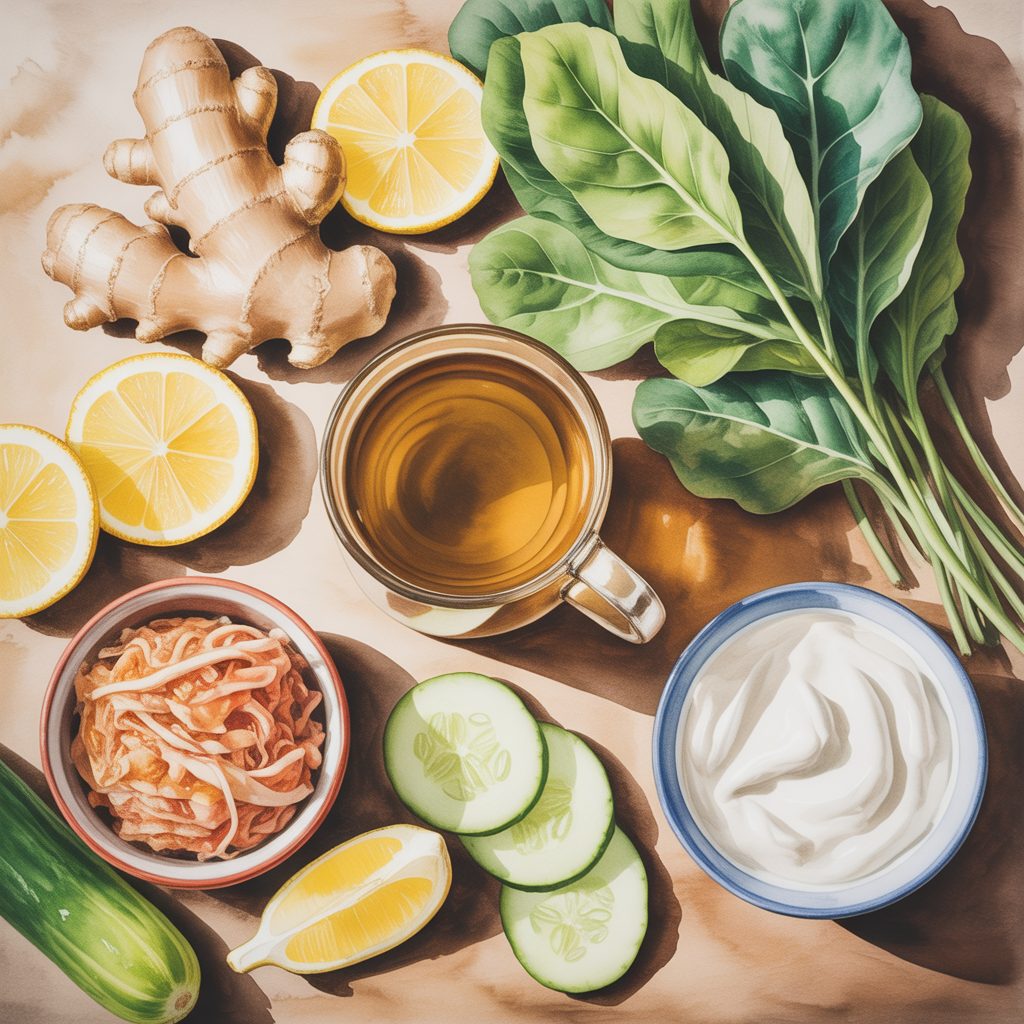
Let’s be honest: a bloated stomach is more than just annoying. It makes you feel uncomfortable, puffy, and sometimes downright miserable — like your own body is betraying you after a simple meal. And during perimenopause or menopause? That betrayal seems to happen daily.
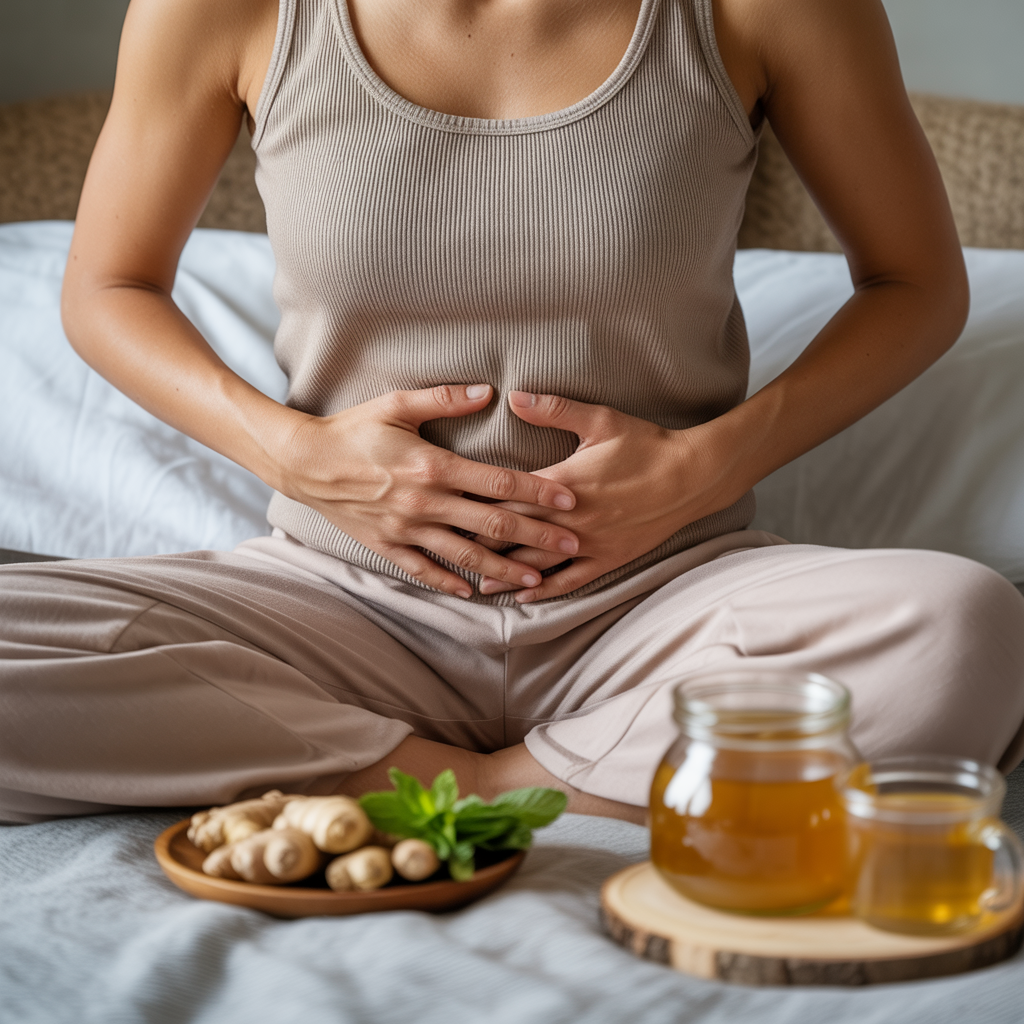
From my own experience, bloating is one of the most common complaints I hear from midlife women. And while it’s easy to shrug it off as “just hormones,” the truth is, it’s usually a mix of hormonal changes, poor digestion, and yes, sometimes the wrong foods.
The good news? You can get relief. From my own experience and my background in Traditional Chinese Medicine (TCM), there are real strategies that work — no quick-fix gimmicks here. And along the way, we’ll talk about what foods cause belly bloat, the foods that don’t cause bloat, and how to actually improve gut health for the long haul.
(If you suspect your bloating is part of a bigger gut health picture, I’ve got a free guide you can grab: 8 Signs You Might Be Suffering from Poor Gut Health. It’s a simple way to check in with your body and see what else might be going on.)
Why Your Bloated Stomach Matters in Midlife
A little bloat here and there? Annoying. But a bloated stomach that shows up day after day during midlife? That’s your body telling you something isn’t working. And let’s face it, no one wants to feel like they need stretchy pants 24/7.
Bloating at this stage isn’t just cosmetic — it can signal hormonal shifts, sluggish digestion, or even bigger gut imbalances. So, if your belly’s been talking back to you, it’s time to listen.
The Unique Digestive Challenges of Perimenopause
Perimenopause is like puberty in reverse — hormones are all over the place, and your body makes sure you know it. Irregular cycles, mood swings, hot flashes… and yes, bloating. These hormonal shifts can weaken digestion, leaving you more sensitive to foods that cause belly bloat (like dairy, fried foods, or even that “healthy” salad you thought was a good idea).
How Menopause Changes Your Digestive System
By menopause, estrogen drops dramatically. And when that happens, motility (a fancy word for how fast food moves through your system) slows down. Cue constipation, gas, and bloating. Add in a little stress, and your digestive system basically throws up its hands and says, “Good luck with that.”
But understanding these changes means you can work with your body instead of fighting it — and start making food and lifestyle choices that actually support digestion.
Understanding a Bloated Stomach Through TCM
One of the reasons I love TCM is because it doesn’t just look at the symptom (bloating); it looks at why it’s happening. In this system, digestion is tied to the Spleen and Stomach. When they’re working smoothly, food turns into energy. When they’re out of balance, you’re left with heaviness, gas, and all the joys of a bloated stomach.

The Five Elements and Your Digestive Health
In TCM, everything is connected through the Five Elements — Wood, Fire, Earth, Metal, and Water. Digestion ties to the Earth element. Too much “dampness” in Earth leads to bloating, swelling, and sluggishness. And dampness doesn’t just come from the weather — it comes from foods that cause belly bloat like dairy, processed snacks, and sugar.
Qi Stagnation: The Root of Bloating
Qi is your vital energy, and when it’s stuck, digestion suffers. Stress, overeating, and poor diet are big culprits. The result? Poor digestion, bloating, and that uncomfortable fullness after meals.
Learning to move Qi — through food, movement, or even breathing — is one of the best ways to find natural bloat relief.
Spleen and Stomach Disharmony in Menopausal Women
For midlife women, TCM often points to Spleen and Stomach disharmony as the main cause of bloating. If the Spleen is weak, it can’t transform food into energy, which means everything feels heavy. Strengthening these organs (and avoiding foods that cause belly bloat) is key to long-term relief.
TCM Dietary Wisdom for Digestive Relief
What you eat — and how you eat it — is everything. In TCM, diet isn’t about restriction; it’s about balance. Choosing foods that don’t cause bloat and pairing them wisely helps keep your digestive fire strong.
Balancing Yin and Yang in Your Diet
Yin foods cool and nourish. Yang foods warm and energize. You need both, but during menopause, warming Yang foods usually support digestion best. Think soups, roasted veggies, ginger tea.
Morning Eating Habits for Optimal Digestion
Start your day warm and easy — oatmeal with ginger, eggs with spinach, or congee. Skip the icy smoothie; it’s a classic example of “healthy” food that can lead to poor digestion in midlife.
Evening Dietary Adjustments for Menopausal Women
Keep dinner lighter and easy to digest — broth-based soups, cooked veggies, and lean proteins. Cold salads or raw veggies at night? Big bloating culprits.

Mindful Eating Practices from Eastern Traditions
Mindful eating may sound cliché, but it works. Slow down, chew thoroughly, and step away from your phone while eating. The less stress you bring to the table, the better your body can actually digest.
| Mindful Eating Tips | Benefits |
|---|---|
| Eat slowly and savor food | Improves digestion |
| Avoid eating in front of screens | Reduces stress |
| Chew food thoroughly | Enhances nutrient absorption |
Foods That Combat a Bloated Stomach
Here’s the fun part: there are actually foods that don’t cause bloat — and even some that help fight it. Adding these to your routine can ease a bloated stomach and improve gut health.
Warming Spices to Stimulate Digestion
- Ginger: Reduces inflammation and calms gas.
- Cinnamon: Warms digestion and balances blood sugar.
- Fennel: Soothes bloating and eases cramps.
Mix them into teas, meals, or spice blends.
Easy Spice Blends for Daily Use
Making your own spice blends is fun and easy. A mix of ginger, cinnamon, and black pepper is good for digestion. Add it to your meals every day.
| Spice | Benefits | Usage |
|---|---|---|
| Ginger | Reduces inflammation, aids digestion | Tea, cooking, spice blends |
| Cinnamon | Regulates blood sugar, warms digestive system | Oatmeal, baked goods, tea |
| Fennel | Reduces gas, bloating relief | Tea, salads, as a crunchy snack |
Digestive-Friendly Fruits and Vegetables
Cooked veggies (zucchini, carrots, spinach) are easier to handle than raw. Fruits like berries and papaya are gentle on the gut. These are prime examples of foods that don’t cause bloat.
Healing Teas and Broths for Menopausal Bloating
Peppermint, chamomile, and ginger teas calm a bloated stomach. Clear broths warm and nourish digestion without overwhelming it.
(Want more practical food swaps and recipes? My ebook An Essential Guide to Gut Health is just $7 and gives you a step-by-step plan to improve gut health naturally.)

Foods to Avoid When Battling Bloating
On the flip side, here’s what foods cause belly bloat the most:
- Cold/raw foods: Salads, smoothies, raw veggies.
- Damp-producing foods: Dairy, fried foods, processed snacks.
- Hormone disruptors: Soy and highly processed foods.
Cutting back on these is one of the simplest ways to stop feeding a bloated stomach.
Cold and Raw Foods That Impair Midlife Digestion
Cold and raw foods can be tough on digestion in midlife. Eating lots of salads, cold drinks, or raw veggies can slow digestion. This leads to bloating. Even healthy salads can cause issues if they're cold or raw.

Damp-Producing Foods That Worsen Bloating
Some foods make the body produce more dampness, which worsens bloating. These include dairy, processed foods, and fried foods. Cutting down or avoiding these can help reduce bloating and improve digestion.
| Food Category | Examples | Impact on Bloating |
|---|---|---|
| Damp-Producing Foods | Dairy, Processed Foods, Fried Foods | Worsens Bloating |
| Cold and Raw Foods | Salads, Cold Beverages, Raw Vegetables | Slows Down Digestion |
| Hormone-Disrupting Foods | Soy Products, Foods with Additives | Can Affect Hormone Balance |
Hormone-Disrupting Foods to Limit During Menopause
Some foods can mess with hormone balance in menopause, making bloating worse. Soy products and foods with additives or preservatives are examples. Choosing whole, unprocessed foods can help avoid these issues.
Knowing which foods cause or worsen bloating helps manage symptoms. It improves digestive health during menopause.
Qi Gong Exercises for Digestive Harmony
Bloating isn’t just about food; movement matters, too. Qi Gong combines gentle exercise, breath, and mindfulness — all of which keep Qi moving and improve gut health.
- Abdominal breathing: Quick relief for bloating.
- Liver meridian twists: Releases tension and gas.
- Spleen/Stomach activation: Strengthens digestion.
Five minutes a day can transform how your belly feels.
Abdominal Breathing Techniques for Immediate Relief
Abdominal breathing is a key Qi Gong technique for quick relief from bloating. Sit with your back straight and place one hand on your abdomen and the other on your chest. Inhale deeply through your nose, letting your abdomen rise while your chest stays steady.
Exhale slowly through your mouth, feeling your abdomen fall. Repeat this several times, focusing on your breath.
Meridian-Stimulating Movements for Digestive Health
Qi Gong has specific movements that help the body's energy flow. This flow is key for better digestion. The Liver and Spleen meridians are important for digestion.
Liver Meridian Exercises
Twisting movements can stimulate the Liver meridian. Stand with your feet shoulder-width apart. Gently twist your torso to the left and right, keeping your arms relaxed. This movement helps release tension and improve Qi flow.
Spleen and Stomach Meridian Activation
The "Parting the Clouds" movement activates the Spleen and Stomach meridians. Stand with your feet shoulder-width apart and hold your arms in front of you. Move your arms in a circular motion, as if parting clouds, while transferring your weight from one foot to the other. This strengthens digestion.
| Meridian | Exercise | Benefit |
|---|---|---|
| Liver | Gentle twisting | Releases tension, promotes Qi flow |
| Spleen and Stomach | Parting the Clouds | Strengthens digestion |
5-Minute Daily Qi Gong Routine for Menopausal Women
Here's a simple 5-minute Qi Gong routine for daily practice: Start with abdominal breathing (1 minute). Then, do the Liver meridian exercise (1 minute). Follow with the Spleen and Stomach meridian activation (1 minute).
Finish with gentle stretching and a few minutes of calm, deep breathing.

Your Path to Balanced Digestion in Menopause and Beyond
A bloated stomach in menopause isn’t just about vanity — it’s a sign your digestion needs support. By avoiding foods that cause belly bloat, adding foods that don’t cause bloat, and making small daily changes, you can finally get relief and improve gut health long-term.
👉 Start small: swap raw foods for cooked, add warming spices, and try a cup of ginger tea.
👉 Move Qi: add breathing or gentle stretches.
👉 Support your gut: try natural remedies that nourish instead of mask symptoms.
If you’re ready to go deeper:
- Grab my free guide: 8 Signs You Might Be Suffering from Poor Gut Health
- Check out my $7 ebook: An Essential Guide to Gut Health
- Try my favorite daily support: 3 Mushroom Blend from Eversio — it fuels digestion, immunity, and mental clarity all at once.
Because let’s be honest — you deserve more than just surviving meals. You deserve to feel good in your own body again.
FAQ
What are some common causes of a bloated stomach during menopause?
Hormonal changes, stress, and poor digestion often cause bloating in menopause. From a Traditional Chinese Medicine (TCM) view, Qi stagnation and Spleen and Stomach imbalance also play a role.
How can I relieve a bloated stomach using TCM principles?
To ease bloating, balance your diet's Yin and Yang. Practice mindful eating and use warming spices like ginger and cinnamon. Try Qi Gong exercises like abdominal breathing and meridian-stimulating movements to aid digestion.
What foods should I avoid to reduce bloating during menopause?
Avoid cold and raw foods, and foods that make you feel damp, like dairy and gluten. Also, steer clear of foods that disrupt hormones, such as soy and processed meats. Instead, eat digestive-friendly fruits and veggies, warm spices, and healing teas and broths.
Can certain foods help alleviate bloating?
Yes, some foods can help with bloating. Warming spices like ginger, cinnamon, and fennel boost digestion. Leafy greens and berries are good for gut health. Healing teas and broths, like peppermint tea and chicken soup, can also offer relief.
How can I improve my overall gut health during menopause?
Improve gut health by balancing your diet and eating mindfully. Include foods that support digestion. Try Qi Gong exercises, stress-reducing activities, and get enough sleep to help your digestive system.
Are there any simple Qi Gong exercises I can do to help alleviate bloating?
Yes, simple Qi Gong exercises can help with bloating. Try abdominal breathing, Liver Meridian exercises, and a 5-minute daily routine designed for menopausal women.
Affiliate Disclaimer
This blog may contain affiliate links, which means I may earn a small commission if you click on a link and make a purchase—at no extra cost to you. As an affiliate, I only recommend products that I personally use, trust, and believe will add value to my readers. Your support helps keep this content free and allows me to continue sharing helpful tips and resources.
I am not a medical professional, and the information provided on this blog is for educational and informational purposes only. Always consult with a qualified healthcare provider before making any changes to your skincare or wellness routine.