Constipated and Uncomfortable? Simple Remedies You Can Try Today
Feeling bloated, sluggish, and cranky from constipation? Relief is possible. From fiber-rich foods and hydration to TCM remedies and gentle exercises like Qigong, these simple, natural strategies can get your digestion moving and help you feel lighter, clearer, and more comfortable today.
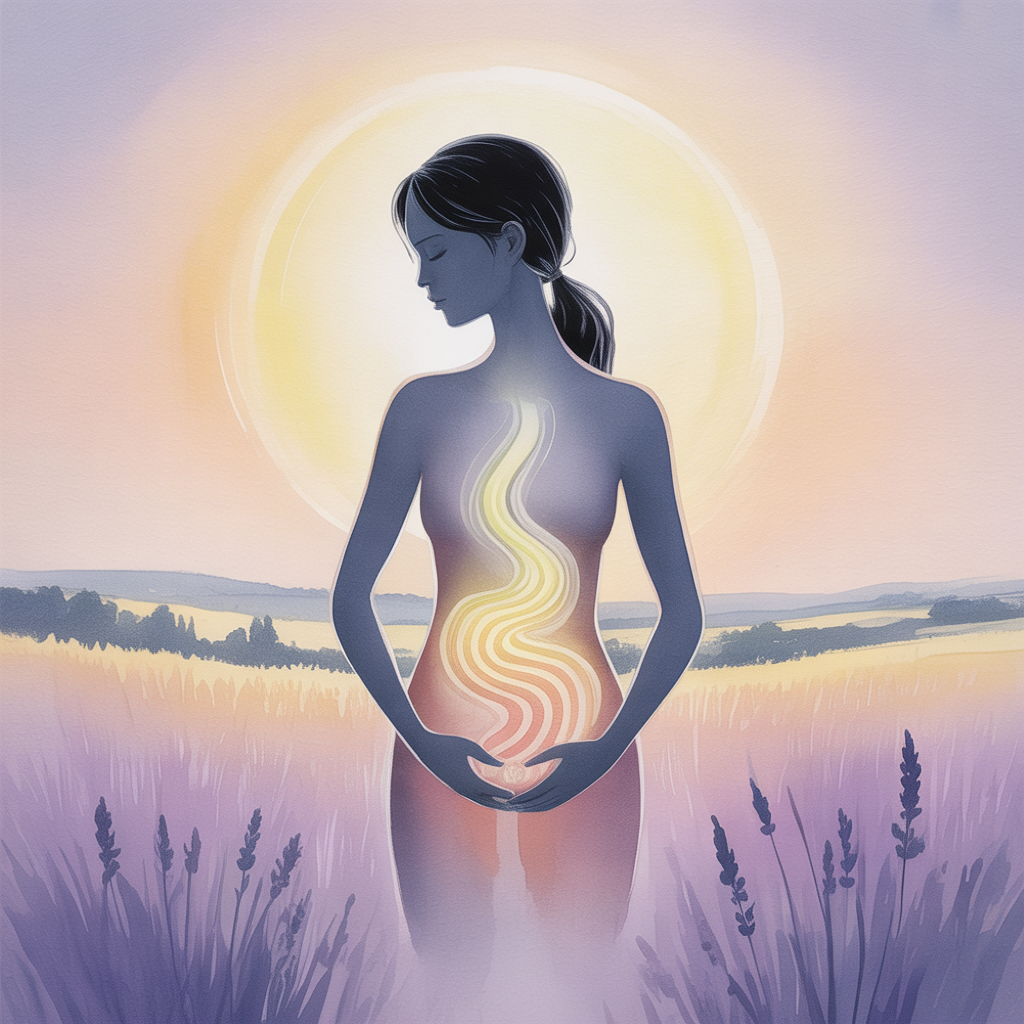
Feeling backed up, sluggish, and downright cranky from constipation? Yeah, I’ve been there. Nothing kills your mood faster than feeling like your digestive system has gone on strike. But here’s the good news: there are simple, natural constipation remedies that actually work — without living on laxatives.

Sometimes, it’s about small daily tweaks — what you eat, how you move, and how you handle stress. Sometimes, it’s about recognizing the signs of constipation early before things spiral. Either way, relief is possible.
(And if you’re starting to notice constipation along with other gut issues like bloating, reflux, or food sensitivities, grab my free guide: 8 Signs You Might Be Suffering from Poor Gut Health. It’ll help you see the bigger picture and start taking steps to improve gut health.)
Understanding What Happens When You're Constipated
Constipation is more than just “not going.” It’s one of the most common digestive complaints out there — and it can leave you bloated, heavy, and uncomfortable.
What Defines True Constipation
By definition, constipation means fewer than three bowel movements per week, straining during a movement, or hard, lumpy stools. Basically, if you feel like you’re trying to pass rocks or you constantly feel “unfinished,” those are clear signs of constipation.
How Common Digestive Stagnation Really Is
It happens to more people than admit it — thanks to diet, stress, dehydration, and especially hormones in midlife. Knowing what can cause constipation is the first step to getting back on track.
The Impact on Overall Health and Wellbeing
Constipation doesn’t just sit in your gut (pun intended). It can make you bloated, cranky, foggy-headed, and even anxious. Chronic constipation can drag down your whole quality of life. Finding what helps with constipation isn’t just about comfort — it’s about protecting your long-term health.
Why Constipation Happens: Seasonal and Hormonal Triggers
If you’ve noticed constipation shows up at certain times of year or got worse with menopause, you’re not imagining things. Both seasonal and hormonal changes are major players in what can cause constipation.
Winter's Effect on Digestive Health
Winter slows everything down — including your gut. Shorter days, less activity, more comfort food, and not enough water all add up to sluggish digestion.
- Reduced activity: Less movement = slower bowel function.
- Heavier diet: Comfort foods low in fiber make things worse.
- Dehydration: Cold weather makes us forget to drink water.

Hormonal Shifts and Your Digestive System
Estrogen is deeply tied to digestion. When it fluctuates in perimenopause or plummets in menopause, your bowel habits change. For some women, that means daily struggles with constipation.
- Perimenopause: Estrogen swings can slow or confuse digestion.
- Menopause: Lower estrogen often means slower motility = constipation.
Hormonal balance is a big piece of what helps with constipation in midlife.
Signs of Constipation: Western and TCM Perspectives
Western medicine sees constipation as physical symptoms. Traditional Chinese Medicine (TCM) looks at energy flow (Qi), organ balance, and even emotions. Put them together, and you get a full picture of signs of constipation.
Common Physical Symptoms
- Fewer than 3 bowel movements per week
- Hard, dry, or lumpy stools
- Abdominal discomfort or bloating
- Feeling like you’re never fully empty
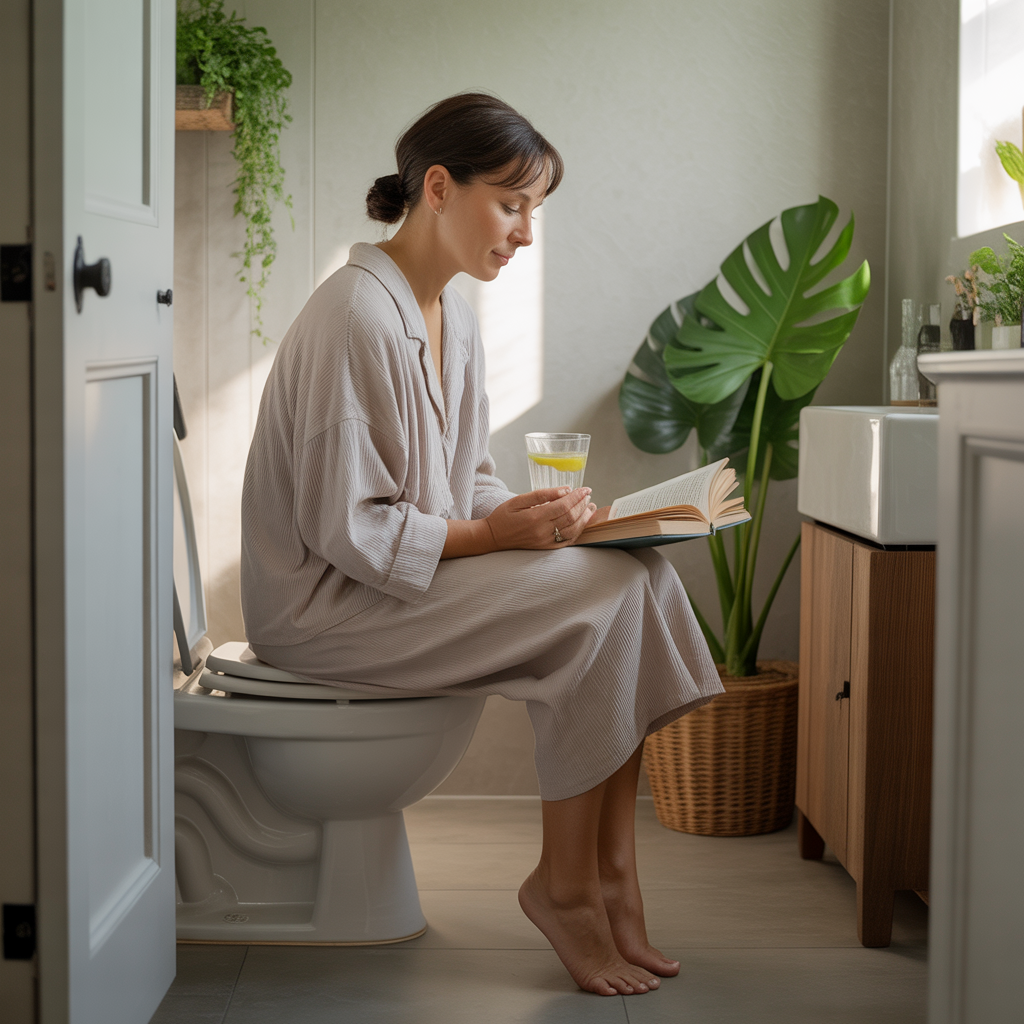
Traditional Chinese Medicine Indicators
TCM views constipation as Qi stagnation — your body’s energy is stuck, just like your bowels. It can show up as frustration, irritability, or that heavy, blocked feeling in your gut. Tongue and pulse readings often confirm the imbalance.
Organ System Imbalances in TCM
Different TCM patterns link to constipation:
- Liver Qi stagnation: Stress and mood swings blocking digestion.
- Spleen deficiency: Weak digestion, fatigue, bloating.
- Kidney Yang deficiency: Cold hands/feet, low back pain, sluggish bowels.
If none of the usual constipation remedies work, a TCM practitioner can help pinpoint which imbalance is driving it.
Natural Remedies for Constipation Relief
Constipation can affect your health and happiness. Luckily, there are effective natural constipation remedies to help.
Dietary Approaches That Work
Your diet is one of the biggest factors in what helps with constipation. Focus on fiber and hydration.
Fiber-rich foods to add daily:
- Berries
- Broccoli
- Oats
- Barley
- Bananas
- Carrots
Hydration tips:
- Aim for 8+ glasses of water daily.
- Herbal teas count.
- Warm water first thing in the morning can get things moving.
Foods to Avoid When Constipated
On the flip side, what can cause constipation includes:
- Dairy (cheese, milk, yogurt)
- Processed foods (packaged snacks, frozen meals)
- Sugary treats
Cutting back on these makes a huge difference.

Traditional Chinese Medicine Solutions
TCM doesn’t just push fiber — it looks at restoring balance.
- Herbal formulas: Specific blends depending on your imbalance.
- Acupressure points: LI4 (Hegu) and ST36 (Zusanli) are classics for bowel movement.
- Dietary principles: Warm, cooked foods > cold/raw foods.
Lifestyle Adjustments for Long-Term Relief
Routine matters. A consistent sleep schedule, regular meals, and stress management all help regulate digestion. Exercise is especially powerful — yes, there are even exercises for constipation that stimulate the gut (we’ll get to those below).
Qigong Exercises to Stimulate Bowel Movement
Movement is one of the best constipation remedies — especially gentle, mindful movement like Qigong.
Abdominal Breathing Techniques
Deep belly breathing increases circulation to your gut, helping stimulate bowel movement. Bonus: it doubles as stress relief.
Specific Qigong Movements for Digestive Health
- Knocking on the Door of Life: Gentle taps on your lower back to wake up kidneys and digestion.
- Spinal Twists: Stimulate intestines and ease tension.
- Lower Dantian Circulation: Focuses energy in the belly to encourage movement.
These are some of the best exercises for constipation — simple but effective.

Creating a Regular Practice Routine
Start small: 5 minutes a day. Build up as it becomes habit. The consistency is what really helps.
Your Path to Digestive Freedom
Constipation doesn’t have to rule your life. By paying attention to what can cause constipation, recognizing the signs of constipation, and practicing daily habits that support digestion, you can finally find relief.
👉 Eat fiber-rich foods, hydrate, and avoid common triggers.
👉 Try TCM-inspired constipation remedies like acupressure and warming foods.
👉 Add in exercises for constipation like Qigong or even simple walking.
If you want to go deeper:
- Grab my free guide: 8 Signs You Might Be Suffering from Poor Gut Health
- Get my $7 ebook: An Essential Guide to Gut Health — it’s a practical step-by-step for anyone ready to finally improve gut health.
- Try my favorite daily support: 3 Mushroom Blend from Eversio — it boosts energy, brain clarity, and yes, gut function.
Because let’s face it — life’s too short to be sitting around waiting for your digestion to catch up.
FAQ
What are some natural ways to relieve constipation?
I've found that eating foods high in fiber, drinking plenty of water, and doing Qigong exercises can help. These methods can stimulate bowel movement and ease constipation.
What are the signs of constipation according to Traditional Chinese Medicine (TCM)?
In TCM, constipation signs include Qi stagnation and tongue and pulse signs showing organ imbalances. Physical symptoms like abdominal pain and bloating are also signs.
How can I prevent constipation during perimenopause and menopause?
Hormonal changes in perimenopause and menopause can lead to constipation. To prevent it, eat a balanced diet, drink lots of water, and try stress-reducing activities like Qigong.
What are some effective exercises for relieving constipation?
Qigong exercises like abdominal breathing, spinal twists, and lower Dantian circulation can help. They stimulate bowel movement and relieve constipation.
What dietary approaches can help alleviate constipation?
Eat foods high in fiber, drink plenty of water, and avoid dairy and processed foods. These steps can help ease constipation.
When should I seek professional help for constipation?
If constipation is persistent or severe, or if you see blood in your stool, get medical help. A healthcare provider can check for underlying conditions.
Can acupressure points help relieve constipation?
Yes, applying pressure to certain acupressure points can help. These points, used in TCM, stimulate bowel movement and relieve constipation.
How can I create a regular Qigong practice routine to help with constipation?
Start with short sessions and be consistent. Add Qigong to your daily routine, like in the morning or evening. This can help with bowel movement and digestive health.
Affiliate Disclaimer
This blog may contain affiliate links, which means I may earn a small commission if you click on a link and make a purchase—at no extra cost to you. As an affiliate, I only recommend products that I personally use, trust, and believe will add value to my readers. Your support helps keep this content free and allows me to continue sharing helpful tips and resources.
I am not a medical professional, and the information provided on this blog is for educational and informational purposes only. Always consult with a qualified healthcare provider before making any changes to your skincare or wellness routine.