Struggling with Dry or Aging Skin? Food and Vitamins Your Face Will Thank You For
Dry, thinning skin in midlife isn’t just a surface issue—it’s a nutrition-and-hormone story. Discover a TCM-inspired, budget-friendly plate—omega-3s, leafy greens, berries, seeds, bone broth, and hydrating veggies—to calm inflammation, boost collagen, and revive your glow.
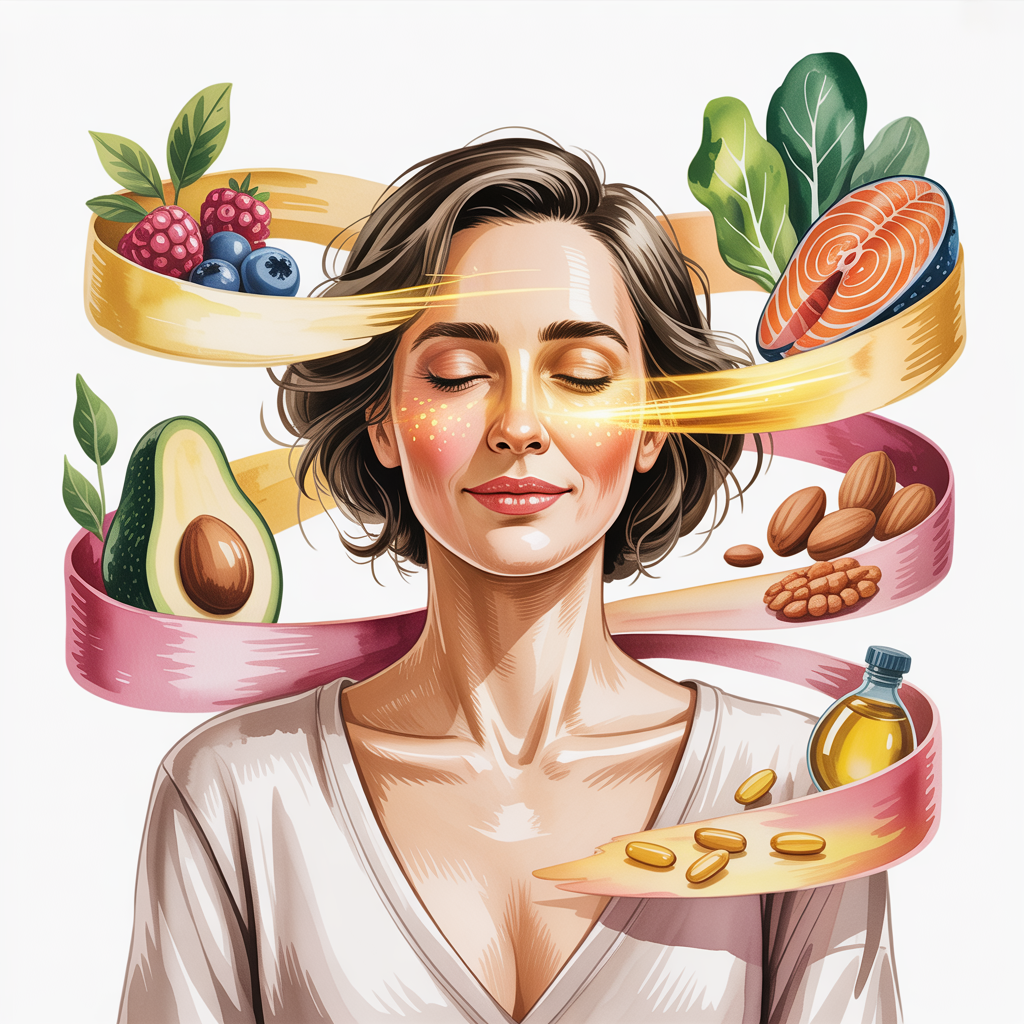
Can the food we eat really change our skin? As a woman in midlife, I’ve seen firsthand how hormonal shifts affect my skin — hello dryness, thinning texture, and those fine lines that show up overnight. It made me wonder: if food fuels everything else in my body, what role does it play in keeping my skin healthy?

Turns out, quite a big one. What you put on your plate can act like food for your skin — nourishing it from within, helping balance hormones, calming inflammation, and giving you that glow we all crave. This isn’t about restriction; it’s about choosing the best foods for skin and steering clear of the ones that make problems worse.
If you’ve ever wanted a realistic, budget-friendly way to support your skin, keep reading. And if you want a deeper dive, my guide The Flawless Skin Miracle for Women on a Budget is packed with practical tips and affordable skincare strategies: check it out here.
The Power of Eating Your Skincare: A Chinese Medicine Approach
In Chinese medicine, skin isn’t just surface-level — it’s considered a reflection of your internal health. Your face shows the state of your digestion, your hormones, even your stress levels. When something’s off inside, it almost always shows up outside.
That’s why TCM has long promoted the idea of a glowing skin diet — foods and herbs that nourish Yin, build blood, and clear heat. Instead of piling on serums, the focus is to restore balance within so your skin reflects it naturally.
How Chinese Medicine Views Skin Health
In Chinese medicine, skin health is connected to our body's balance and organ function. It sees our skin as a mirror of our health. For example, dry skin might mean we're lacking in nourishment, while acne could show too much heat or dampness.
The Midlife Hormonal Shift and Your Skin
Here’s the honest truth: perimenopause and menopause can wreak havoc on your skin. Declining estrogen makes your skin thinner and less able to hold moisture. Collagen production slows, leaving skin less firm. Add in stress, poor sleep, or a nutrient-lacking diet, and suddenly you’re dealing with peeling patches, sagging, or breakouts that feel like teenage déjà vu.
From a Chinese medicine perspective, this is a disruption of qi and Yin energy. Your body is running hotter and drier, and the balance tips easily toward inflammation. That’s why focusing on hormone-friendly, Yin-nourishing foods is essential during this stage of life.
Understanding Skin Health Through the Five Elements
The Five Elements — Wood, Fire, Earth, Metal, and Water — offer a holistic lens for skin health. Each element connects to organ systems that directly influence the condition of your skin.
- Wood (Liver): Supports hormone balance and detoxification. Leafy greens, citrus fruits, and cruciferous veggies keep this system flowing and help prevent midlife breakouts.
- Fire (Heart): Linked to circulation and complexion. Antioxidant-rich foods like berries brighten skin and protect against free radical damage.
- Earth (Spleen/Digestion): Governs nutrient absorption. Foods like sweet potatoes and squash support digestion and provide vitamins crucial for skin renewal.
- Metal (Lungs): Connected to skin’s radiance and immune defense. Onions, garlic, and pears strengthen lung qi, keeping skin hydrated and resilient.
- Water (Kidneys): Rules aging and vitality. Omega-3 foods like salmon, walnuts, and chia seeds support Kidney energy and slow visible signs of aging.
When these elements are nourished, your body — and your skin — thrive.
Yin-Nourishing Foods for Dry, Aging Skin
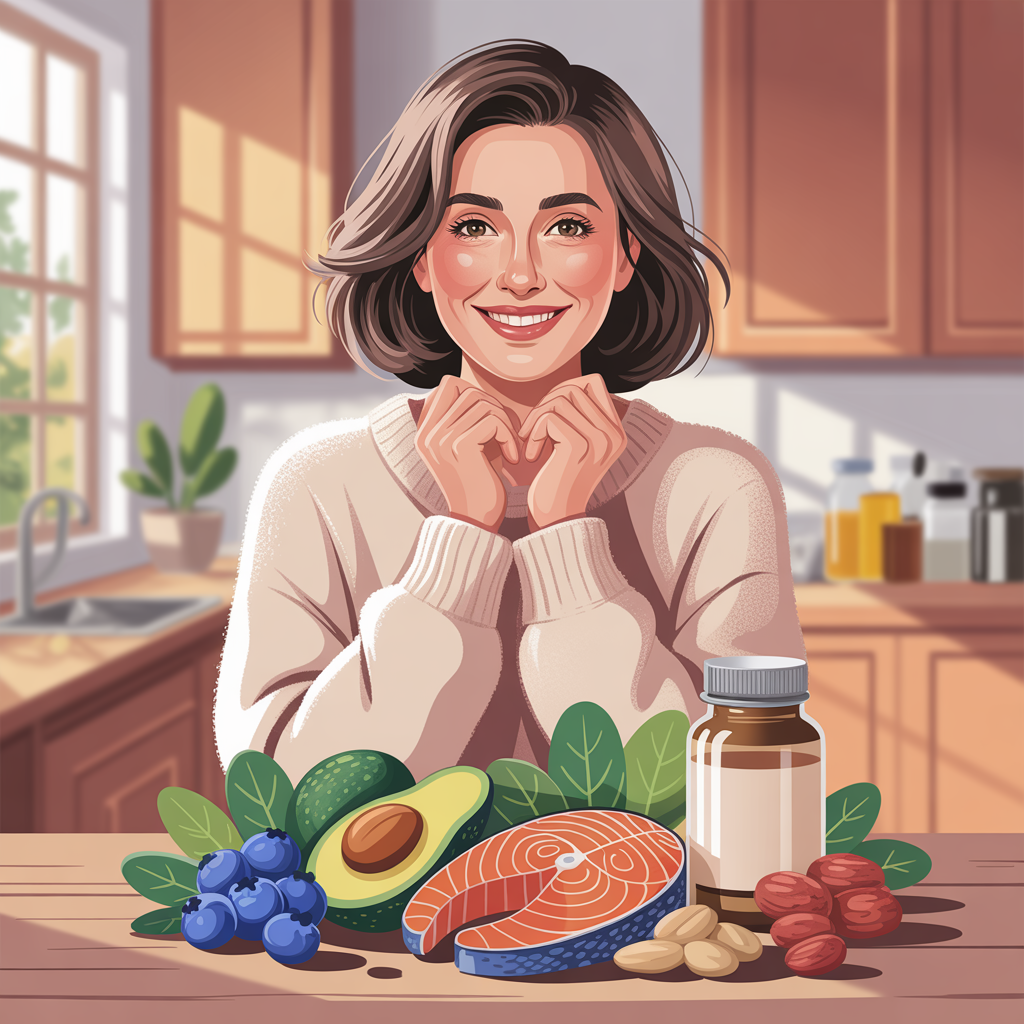
Dryness and thinning skin are classic signs of Yin deficiency in midlife. That’s why a glowing skin diet must include hydrating, moistening foods that restore balance.
- Hydrating fruits and veggies: Watermelon, cucumbers, and celery don’t just refresh you — they deliver hydration straight to your skin cells.
- Omega-3 rich foods: Salmon, walnuts, chia seeds, and flaxseeds strengthen the skin barrier and calm inflammation.
- Blood-building foods: Spinach, beets, and dates supply iron and trace minerals to support circulation, elasticity, and that healthy, “lit-from-within” glow.

| Food Category | Examples | Benefits for Skin |
|---|---|---|
| Hydrating Fruits and Vegetables | Watermelon, Cucumbers, Celery | Maintain skin moisture, reduce dryness |
| Omega-Rich Foods | Salmon, Walnuts, Chia Seeds | Support skin barrier function, reduce inflammation |
| Blood-Building Foods | Spinach, Beets, Dates | Improve skin elasticity, promote healthy glow |
Yang-Invigorating Foods for Skin Vitality and Circulation
While Yin hydrates, Yang brings vitality and warmth. If your skin looks dull, sluggish, or pale, adding Yang-invigorating foods can wake it up.
- Warming spices: Ginger, turmeric, and cayenne increase microcirculation, helping nutrients actually reach your skin.
- Protein sources: Eggs, lean meats, and legumes support collagen production — critical if you want to maintain firmness.
- Adaptogenic herbs: Ashwagandha, ginseng, and maca not only balance stress hormones but also promote skin resilience.

Targeted Foods for Common Midlife Skin Concerns
Certain foods go the extra mile in addressing specific issues we face over 40:
- Hormonal acne and rosacea: Anti-inflammatory foods like turmeric, berries, and salmon calm flare-ups.
- Age spots and sun damage: Citrus fruits, leafy greens, and nuts (almonds, sunflower seeds) are loaded with antioxidants and vitamins A, C, and E.
- Thinning skin: Minerals matter here. Zinc (oysters, pumpkin seeds), selenium (Brazil nuts), and silica (oats, celery root) rebuild strength and elasticity.
- Hormonal breakouts: Cruciferous veggies, green tea, and fiber-rich greens help detox the liver, clearing toxins that trigger breakouts.
Anti-Inflammatory Foods for Hormonal Acne and Rosacea
Midlife brings changes in hormones that can cause acne and rosacea. Anti-inflammatory foods can help. Here are some good choices:
- Turmeric, with its potent anti-inflammatory curcumin
- Berries rich in antioxidants, such as blueberries and raspberries
- Fatty fish like salmon, which are high in omega-3 fatty acids

Antioxidant-Rich Foods for Age Spots and Sun Damage
Age spots and sun damage are common in midlife. Foods rich in antioxidants can fight these issues. Here are some great options:
- Leafy greens like spinach and kale, packed with vitamins A, C, and E
- Other fruits such as pomegranates and citrus fruits, high in vitamin C
- Nuts and seeds, including almonds and sunflower seeds, rich in vitamin E
These foods protect our skin and help it look more even.
Mineral-Dense Foods for Thinning Skin
Thinning skin is a common issue in midlife. Foods rich in minerals can help. Key minerals include:
Zinc and Selenium Sources
- Zinc-rich foods like oysters, beef, and chicken, which support skin health and wound healing
- Selenium-rich foods such as Brazil nuts, fish, and turkey, which help protect the skin from oxidative stress
Silica-Rich Options
- Oats, alfalfa, and celery root, which are rich in silica and support skin elasticity
These minerals are important for keeping our skin strong and healthy.
Detoxifying Foods for Hormonal Breakouts
Hormonal breakouts can be tough to deal with. But detoxifying foods can help. They support our body's detox process and help our skin stay clear. Some good choices include:
- Cruciferous vegetables like broccoli and cauliflower, which support liver health
- Green tea, rich in antioxidants and catechins that aid in detoxification
- Leafy greens and other fiber-rich foods that support digestive health
By eating these foods, we can help our body get rid of toxins and reduce breakouts.
Hydration Heroes and Foods to Avoid
You can’t have glowing skin without hydration. Yes, water is essential, but so are hydrating foods like cucumbers, watermelon, and celery, which combine water with vitamins and minerals your skin needs.
And let’s address the trending topic: lemon water benefits for skin. Lemon water isn’t a miracle cure, but the vitamin C does support collagen production and can give your skin a brightness boost when paired with an overall nutrient-rich diet.
On the flip side, there are foods to avoid if you’re serious about skin health:
- Refined sugar (causes inflammation and collagen breakdown)
- Processed carbs (spike insulin, leading to breakouts)
- Fried foods and excess dairy (inflammatory triggers for many women in midlife)
What you cut out can sometimes be just as powerful as what you add in.
Creating Your Daily Skin-Nourishing Meal Plan
Building a glowing skin diet doesn’t mean expensive products or a 20-step routine. It means consistently eating foods that hydrate, nourish, and balance your hormones. A sample daily outline could look like this:
- Breakfast: Oatmeal topped with flaxseeds, berries, and walnuts
- Lunch: Quinoa bowl with leafy greens, salmon, and a lemon-tahini dressing
- Snack: Apple slices with almond butter and a sprinkle of cinnamon
- Dinner: Sheet pan chicken with sweet potatoes, beets, and broccoli
And if you need more inspiration, my guide The Flawless Skin Miracle for Women on a Budget has affordable, easy-to-follow strategies you can implement right away: grab it here.
Your skin reflects what’s happening inside your body. By eating the best foods for skin, staying hydrated, and avoiding inflammatory triggers, you can take control of how your skin looks and feels — even in the middle of hormonal changes.
Chinese medicine has known for centuries what modern science is finally catching up to: food is one of the most powerful forms of skincare. When you eat with your skin in mind, you’re not just improving your complexion — you’re supporting your whole body’s health.
So next time you think about investing in another cream, try investing in your grocery cart first.
FAQ
What are some superfoods that can help improve my skin health?
Berries, leafy greens, and fatty fish like salmon are great for your skin. They're full of antioxidants and omega-3 fatty acids. These can fight off age spots, sun damage, and inflammation.
How can I use food to address hormonal acne and rosacea?
Foods like turmeric, ginger, and berries are anti-inflammatory. Adding them to your diet can help with hormonal acne and rosacea. They reduce inflammation and promote healthier skin.
What are some fruits that are beneficial for good skin?
Watermelon, cucumbers, and berries are hydrating and full of antioxidants. They're good for your skin. They help keep your skin moist and glowing.
How do vitamins and minerals impact skin health?
Vitamins like C, zinc, and selenium are key for healthy skin. They help make collagen, fight oxidative stress, and support overall skin health.
Can certain foods help with skin elasticity and firmness?
Yes, foods like salmon and walnuts, and lean meats and fish, are good. They support collagen and improve skin elasticity and firmness.
How can I incorporate edible skincare into my daily diet?
Eat a variety of whole foods like fruits, veggies, whole grains, and lean proteins. This supports skin health and gives you a radiant look. Meal planning and prep can help you get the right mix of skin-nourishing foods.
Are there any specific foods that can help with thinning skin?
Foods rich in minerals like zinc and selenium, found in oysters and Brazil nuts, are good for skin. Oats and celery, rich in silica, also help keep skin healthy.
Affiliate Disclaimer
This blog may contain affiliate links, which means I may earn a small commission if you click on a link and make a purchase—at no extra cost to you. As an affiliate, I only recommend products that I personally use, trust, and believe will add value to my readers. Your support helps keep this content free and allows me to continue sharing helpful tips and resources.
I am not a medical professional, and the information provided on this blog is for educational and informational purposes only. Always consult with a qualified healthcare provider before making any changes to your skincare or wellness routine.