The Benefits of Bee Propolis That Will Make You a Believer
Bee propolis benefits: a protective resin packed with antioxidants and antimicrobial compounds. It can soothe sore throats, support everyday immunity, improve oral health, calm breakouts, and aid wound healing. Learn how to choose it, use it, and stay safe
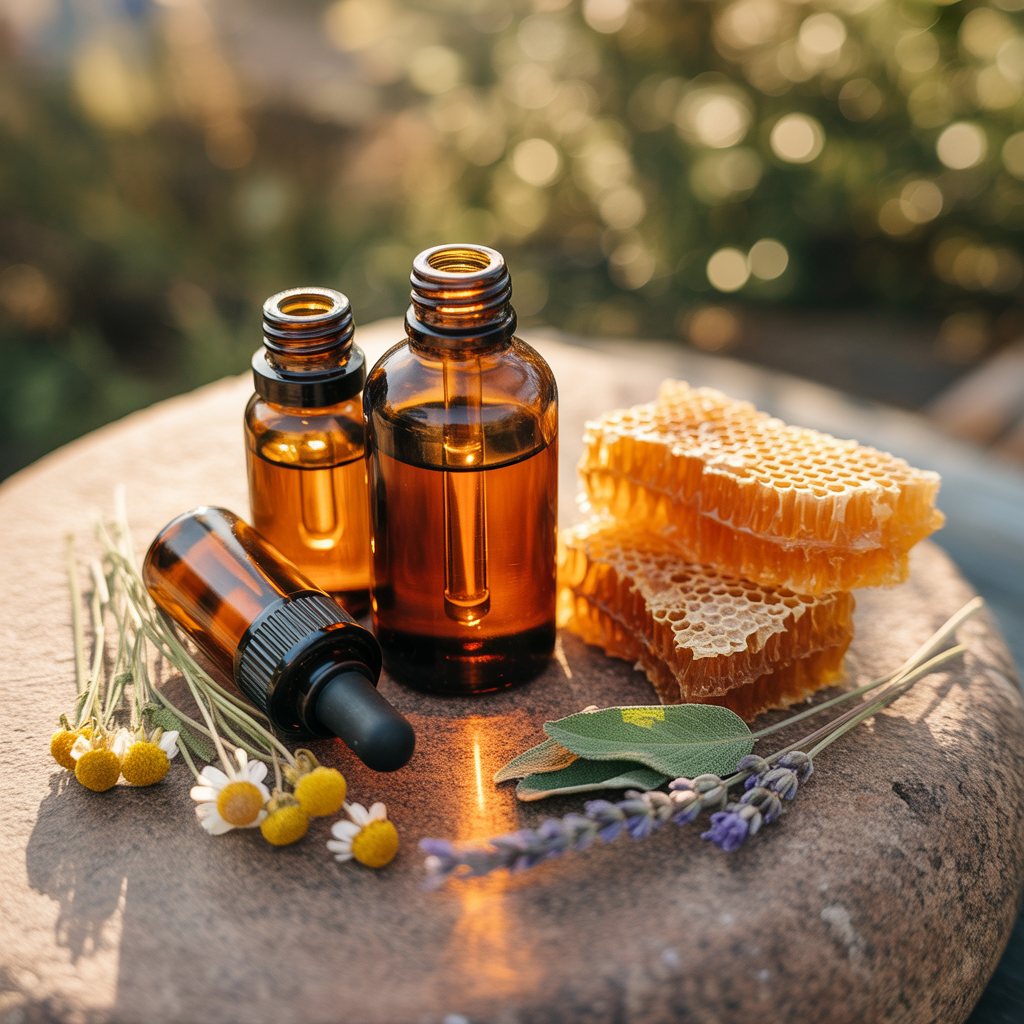
Ever wondered why bee propolis is so popular as a natural remedy? It's known for its health benefits, but what is it, and how does it help us?
Bee propolis is a sticky mix bees collect. It's been used for ages because of its healing powers. It's full of antioxidants and fights off germs, making it a key part of natural health.

Let's look into why this natural substance is getting so much attention. It has a lot of health benefits, making it a great addition to our natural health routines.
What Is Bee Propolis? Nature's Defensive Resin
For centuries, bee propolis has been used for its health benefits. But what is it? Bee propolis, also called 'bee glue,' is a sticky mix bees get from trees and plants. They use it to keep their hives safe from harm.
The Origin and Composition of Propolis
Bee propolis is a blend of plant resins, beeswax, and other stuff bees collect. The mix changes based on where the bees are and what plants they find. This change makes propolis useful in many ways around the world.
The mix is full of flavonoids, which are good for fighting off free radicals. It also has waxes, fatty acids, and terpenes. These add to its health perks.
| Component | Percentage | Description |
|---|---|---|
| Resins | 50-60% | Main component, rich in flavonoids |
| Waxes | 20-30% | Contributes to its texture and durability |
| Essential Oils | 5-10% | Provides antimicrobial properties |
How Propolis Differs from Honey
Propolis and honey come from bees, but they're not the same. Honey is mostly sugar made from nectar. Propolis is a mix of plant resins and waxes.
Propolis is better at fighting off germs and reducing inflammation. This makes it special for health and wellness.
The Evidence-Based Benefits of Bee Propolis
Bee propolis is packed with good stuff for our health. It's a natural treasure that boosts our wellness in many ways. Adding propolis to our daily routine can make a big difference in our health.
Everyday Immune Support for Throat and Mouth
Bee propolis is great for keeping our throats and mouths healthy. It fights off bad germs, which is super helpful during cold and flu times. We can use sprays, lozenges, or tinctures to ease sore throats and keep our mouths clean.

Oral Health Enhancement
Propolis also helps our mouths stay healthy. It keeps bad bacteria away, which can prevent gum disease and mouth sores. Using mouthwashes or toothpaste with propolis can help keep our mouths in top shape.
Skin Support and Healing Properties
Propolis is good for our skin too. It fights inflammation and germs, making it great for skincare. We can use creams or ointments with propolis to heal wounds and fight acne.
Potential Gut and Antioxidant Benefits
Research shows propolis might also help our guts and boost antioxidants. The antioxidants in propolis protect our cells and could lower disease risks. Plus, it might help keep our gut microbiome balanced, which is good for digestion and immunity.
As we learn more about bee propolis, it's clear it's a valuable health ally. It supports our immune system, oral health, skin, and even our guts. Adding propolis to our daily routine can bring many benefits to our health and wellness.
Common Forms and Applications of Propolis
Propolis comes in many forms, like sprays and salves. This makes it easy to add to your daily routine. It's great for keeping you healthy.
There are many types of propolis products. Each one is made for a specific use. Let's look at some common ones and what they're for.
Propolis Sprays and Tinctures
Propolis sprays and tinctures are easy to use. Sprays can be applied directly to the throat or mouth for quick relief. Tinctures can be mixed with water or taken under the tongue for immune support.
Capsules and Lozenges
Propolis capsules and lozenges are great if you like traditional supplements. Capsules give you a set amount of propolis. Lozenges soothe the throat.
Topical Salves and Ointments
Topical salves and ointments with propolis are perfect for skin care and healing wounds. They use propolis's antimicrobial properties to help your skin and speed up healing.
There are many propolis products to choose from. You can find one that fits your lifestyle and health needs. Whether you need immune support, skin care, or oral health benefits, there's a product for you.

How to Use Propolis Effectively
To get the most out of propolis, knowing how to use it is key. It comes in forms like tinctures, capsules, and creams. Each has its own way of helping your health.
Dosage Guidelines
The right amount of propolis depends on its form and strength. Usually, 1-2 teaspoons of tincture or 500-1000 mg in capsules is enough each day.
| Form | Typical Dosage | Frequency |
|---|---|---|
| Tincture | 1-2 teaspoons | 1-2 times daily |
| Capsules | 500-1000 mg | 1-2 times daily |
| Topical | Apply as needed | Up to 3 times daily |
Consistency and Best Practices
Using propolis regularly is important. Try to take it at the same time every day. Always read the label and talk to a doctor if you're not sure.
Timing and Frequency
When you take propolis can affect how well it works. For immune support, morning is best. For creams, use as needed but no more than three times a day.
Choosing High-Quality Propolis Products
Not all bee propolis products are the same. It's important to know the differences to make a good choice. When picking a propolis product, several things matter to ensure it's top-notch.
Let's look at what makes a propolis product of high quality.
Clean Sourcing and Contaminant Testing
The place where the propolis comes from is very important. We want products from areas with clean environments and good beekeeping practices. It's also key to check for contaminants like heavy metals and pesticides.
Standardized Flavonoid Content
Flavonoids are important in propolis for its benefits. A good product will have a set amount of flavonoids in every batch.

Alcohol vs. Alcohol-Free Formulations
Propolis tinctures might use alcohol, but there are also alcohol-free options. Your choice depends on what you prefer and how you plan to use it.
Third-Party Testing and GMP Certification
Third-party testing checks if the product is pure and of good quality. GMP (Good Manufacturing Practice) certification means it's made under strict rules. Both show the product is trustworthy.
To sum up, here's what to look for in a propolis product:
- Clean sourcing and contaminant testing
- Standardized flavonoid content
- Appropriate formulation (alcohol or alcohol-free)
- Third-party testing and GMP certification
By focusing on these points, we can pick a high-quality propolis product. This ensures we get the benefits we're looking for.
Safety Considerations When Using Bee Propolis
Bee propolis has many health benefits. But, it's important to know the risks. Some people may have bad reactions to it.
Allergies and Possible Reactions
Those allergic to bees, honey, or bee products might react to propolis. Symptoms can be mild or severe. If you have a bad reaction, stop using it and see a doctor.
Special Precautions for Specific Groups
Some groups should be careful with bee propolis. Pregnant or nursing women should talk to their doctor first. People on blood thinners or with asthma should also get advice.
When to Consult a Healthcare Professional
Thinking about using propolis? If you're worried about allergies or medication interactions, talk to a doctor. They can give advice tailored to you.
DIY Propolis Recipes for Everyday Wellness
We can use honey and propolis to make our own wellness recipes at home. Propolis has many health benefits. We can add it to our daily routines with simple DIY recipes.
Soothing Propolis and Lemon Warm Drink
A warm drink with propolis and lemon is great for our immune system. Mix 1 teaspoon of propolis tincture with warm water. Add lemon juice and honey to taste. It soothes a sore throat and feels comforting.
Propolis and Saltwater Mouth Rinse
A mouth rinse with propolis and saltwater is good for oral health. Mix 1/2 teaspoon of salt with 5-7 drops of propolis tincture in warm water. Swish it in your mouth for 30 seconds then spit it out. It reduces inflammation and helps gums stay healthy.
Gentle Honey-Propolis Spot Mask
A honey-propolis spot mask is good for skin health. Mix equal parts of honey and propolis tincture to make a paste. Apply it to the affected area for 15-20 minutes before rinsing with warm water. It soothes skin irritations and helps it heal.
| Recipe | Ingredients | Benefits |
|---|---|---|
| Soothing Propolis and Lemon Warm Drink | Propolis tincture, warm water, lemon juice, honey | Soothes sore throat, supports immune system |
| Propolis and Saltwater Mouth Rinse | Salt, propolis tincture, warm water | Reduces inflammation, promotes healthy gums |
| Gentle Honey-Propolis Spot Mask | Honey, propolis tincture | Soothes skin irritations, promotes healing |
Harnessing the Natural Power of Bee Propolis
The benefits of bee propolis are many, from boosting the immune system to improving skin health. This natural resin has been used for centuries. It's found in sprays, tinctures, capsules, and topical salves.
Adding bee propolis to our daily lives can boost our wellness. It can help soothe a sore throat, support oral health, or improve skin. The advantages of bee propolis are clear.
For the best results, choose high-quality bee propolis products. Follow the recommended dosages and watch for any allergies or reactions. Bee propolis is a valuable resource for those looking for natural health solutions.
FAQ
What is bee propolis and how is it made?
Bee propolis is made from plant resins mixed with bee enzymes. This creates a natural substance with health benefits.
What are the benefits of using bee propolis for immune support?
Bee propolis helps support the immune system, mainly for the throat and mouth. It has antimicrobial and anti-inflammatory properties.
Can I use bee propolis if I have allergies?
If you're allergic to bee products or plants, use caution with propolis. It may cause reactions. Always check with a healthcare professional before using it.
How do I choose a high-quality propolis product?
Look for products with clean sourcing and contaminant testing. Also, check for standardized flavonoid content and third-party testing. This ensures quality.
What are the different forms of propolis products available?
Propolis comes in many forms, like sprays, tinctures, capsules, lozenges, and topical salves. Each has its own benefits and uses.
How do I use propolis effectively for oral health?
Use propolis mouth rinses or lozenges for oral health. They help reduce inflammation and fight bacteria.
Can I use bee propolis if I'm pregnant or nursing?
Pregnant or nursing women should talk to a healthcare professional before using bee propolis. It may interact with medications or have unknown effects.
What are some DIY recipes using propolis?
We make simple DIY recipes like a soothing propolis and lemon warm drink. We also make a propolis and saltwater mouth rinse and a honey-propolis spot mask. These recipes help us use propolis in our daily routines.
Are there any possible interactions with medications when using propolis?
Propolis may interact with medications like blood thinners. Always consult a healthcare professional before using it, if you're on medication.
How can I maximize the benefits of using propolis?
Consistency is key when using propolis. Follow the recommended dosage and be patient. This way, you can fully experience its benefits.
Affiliate Disclaimer
This blog may contain affiliate links, which means I may earn a small commission if you click on a link and make a purchase—at no extra cost to you. As an affiliate, I only recommend products that I personally use, trust, and believe will add value to my readers. Your support helps keep this content free and allows me to continue sharing helpful tips and resources.
I am not a medical professional, and the information provided on this blog is for educational and informational purposes only. Always consult with a qualified healthcare provider before making any changes to your skincare or wellness routine.